
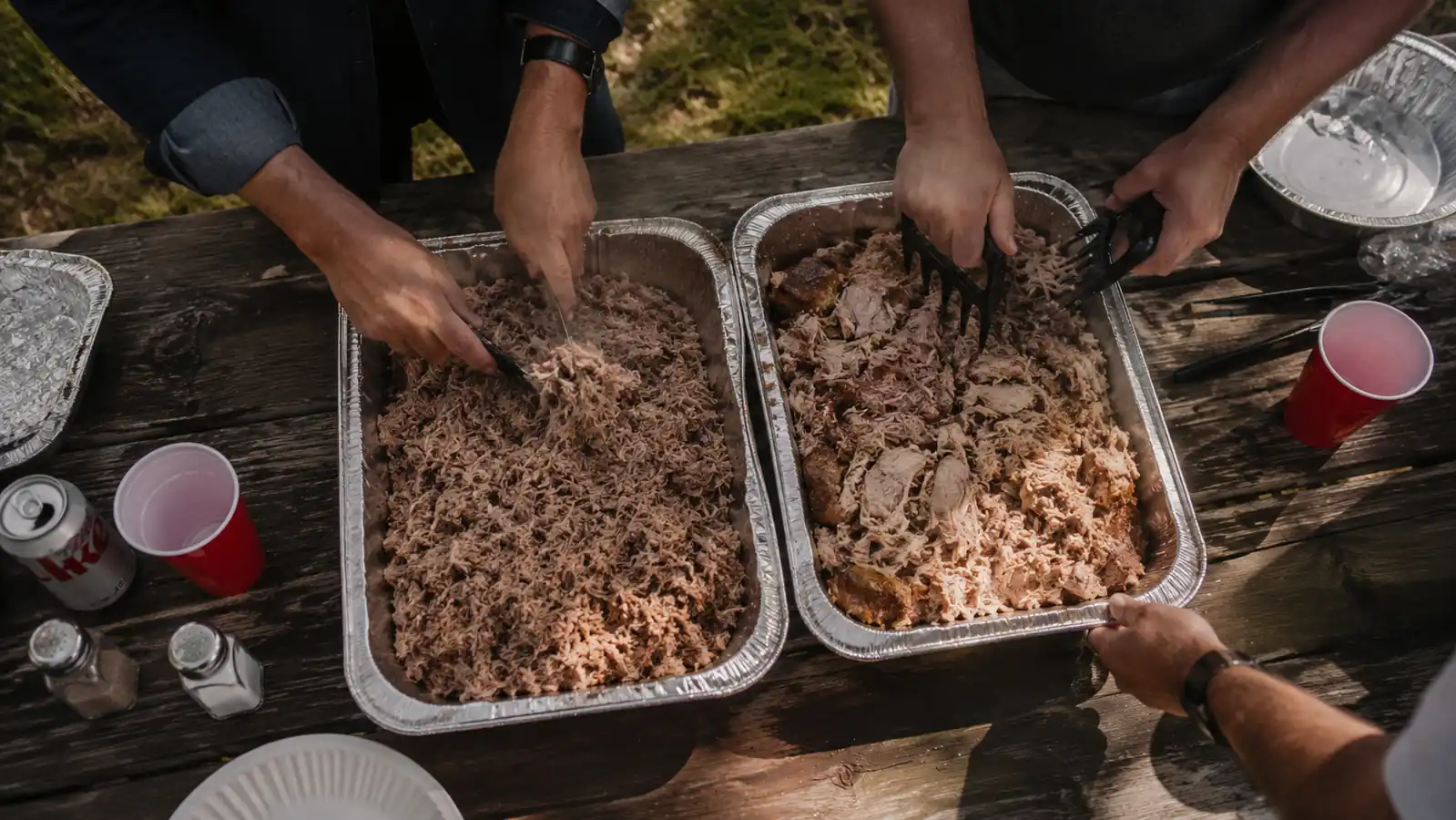
Last Fourth of July I pulled two nine-pound pork butts off my offset smoker for my niece Talisha's baby shower, forty people counting the cousins, and my brother-in-law Wendell handed me two dinner forks like it was still 1995. I shredded the first butt his way, dragging those forks through hot meat while my knuckles took the heat and my wrist started aching before I even got halfway. Then I grabbed the pair of Bear Paws claws I'd had in a kitchen drawer for two years and barely used, and finished the second butt in about a third of the time, hands nowhere near the steam.
That side by side, same day, same smoker, same cut of meat, is basically this whole article. If you want the short answer before we get into the details, the claws win for anybody shredding more than about four pounds at a time, or anybody who's dealt with wrist or hand soreness standing over a cutting board after a long cook. Two forks still earn their keep though, especially for a couple chicken breasts on a Tuesday when you don't want one more gadget cluttering the drawer. Let's go through it row by row.
I've been cooking for church potlucks and family reunions for about twenty-five years now, and the shredding step is the part almost nobody plans for. You spend hours dialing in the smoke, wrapping at the right bark color, resting the meat under towels, and then you get to the actual pulling apart and reach for whatever's closest, usually forks, because that's what your mama did and her mama before her. I want to walk through exactly where that habit holds up and exactly where it doesn't, because the answer isn't the same for everybody.
| Meat Claws | Two Forks | |
|---|---|---|
| Cost | Affordable for a two-pack, one-time buy | Free, you already own forks |
| Time to Shred a 9-lb Pork Butt | About 6 to 8 minutes | 18 to 22 minutes, sometimes longer |
| Hand and Wrist Strain | Minimal, the handles absorb the work | Noticeable after the first five minutes |
| Heat Protection | Handles keep your hands 2 to 3 inches off hot meat | None, your knuckles sit right at the surface |
| Meat Texture | Long, even strands, bark mixes in evenly | Choppier, bark clumps in spots |
| Best Batch Size | Anything over 4 lbs, whole butts and whole turkeys | Small batches, a chicken breast or two |
| Cleanup | Hand wash recommended, dries in seconds | Top-rack dishwasher safe |
| Learning Curve | A few seconds to find the right angle | None, everybody already knows how to hold a fork |
Where Bear Paws Claws Win
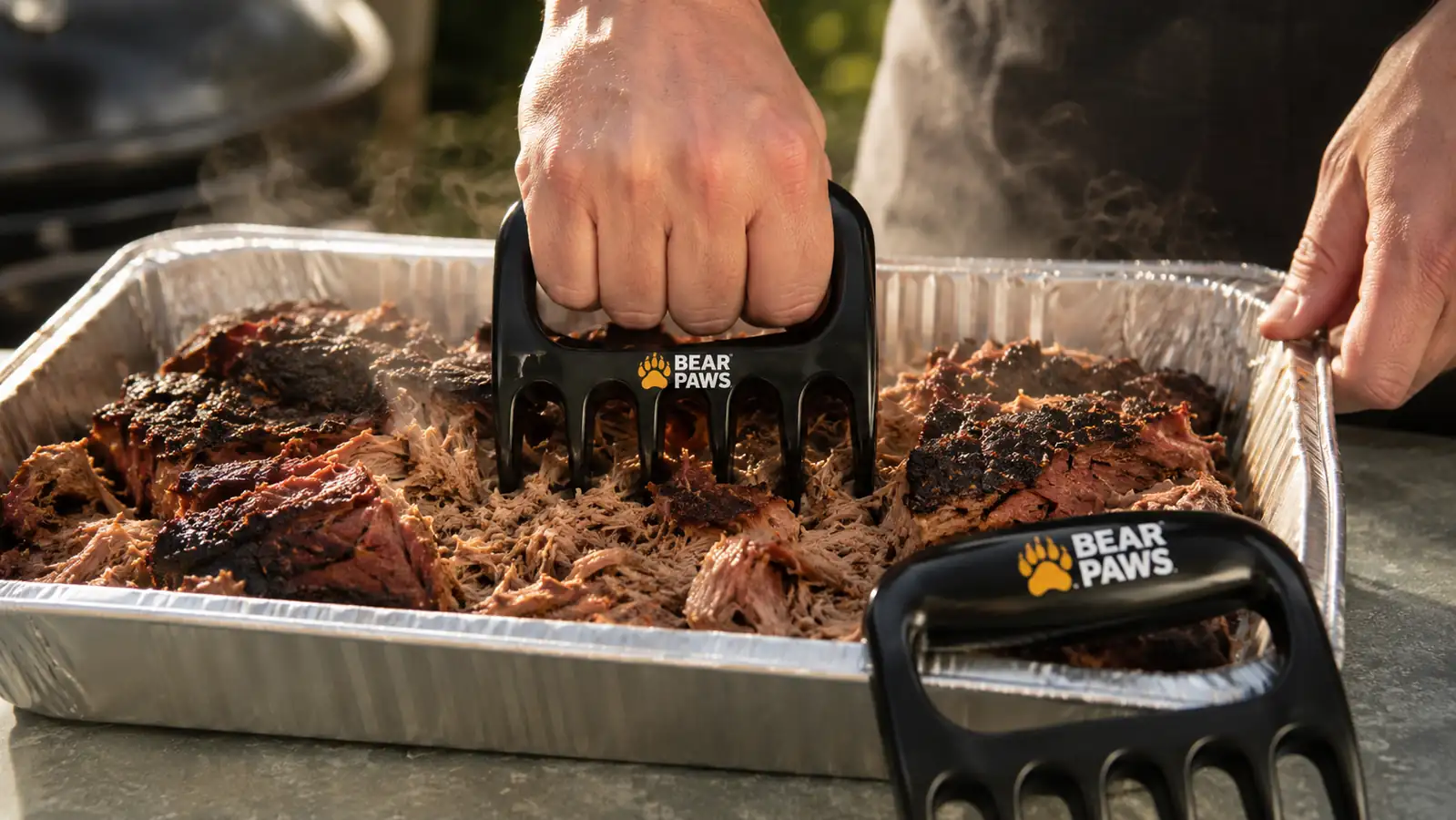
The claws win on leverage, plain and simple. When you're gripping a fork in each hand, all the pulling force runs through your fingers and wrist. The claw handles put that same force through your palm and forearm instead, which is the difference between a wrist that's fine the next morning and one that isn't. I noticed it most on that second pork butt at Talisha's shower. My hand had already been through the fork round once, and I was bracing for the same ache. It never came.
They also keep you off the hot meat itself. A pork butt coming off the smoker at 195 to 203 degrees internal is still holding a lot of that heat in the fat and bark ten minutes after it rests. Two forks put your bare knuckles right against that surface. The claws have you working from a few inches back, tines doing the digging while your skin stays clear. For anybody who's ever pulled their hand back mid-shred because it got too hot, that alone is worth the drawer space.
The texture comes out more even too, which matters more than people expect. With forks, you tend to chop in short strokes because your grip gets tired, and that leaves clumps of bark next to bare strands with nothing in between. With the claws, the longer, steadier pulls give you consistent strands with the bark worked through, which is what you want piled on a bun or spread across a tray for a crowd.
They hold up on more than just pork, too. I've used the same pair on a smoked turkey breast for Thanksgiving and on a batch of shredded chicken for forty-plus school teachers at my wife's in-service day potluck, and both times the claws pulled clean strands without tearing the meat into mush the way forks tend to on anything leaner than pork shoulder. If you cook more than one kind of meat for a crowd, that versatility adds up.
Where Two Forks Win
Forks win on simplicity. There's nothing to buy, nothing to find a spot for in a drawer that's probably already full, and nothing to remember to grab before you start cooking. My daughter Renee shreds a single chicken breast for her lunch salads three or four times a week, and she's never once reached for a specialty tool to do it. For a job that small, forks are genuinely the right call.
They're also dishwasher safe without a second thought, where the claws do better with a quick hand wash so the fat doesn't build up between the tines over time. And if you're the kind of cook who only smokes a pork butt once or twice a year for a family gathering, it's fair to ask whether a dedicated tool earns its keep versus forks you already own and already know how to use.
There's also the guest factor. If you've got a crowd of people wanting to help shred at the last minute, handing somebody a fork takes zero explanation. Handing them a claw, some folks fumble the grip the first thirty seconds trying to figure out which way the tines are supposed to face. It's a small thing, but at a busy cookout with six people crowded around one pan, small things matter.
Your knuckles will thank you before the second pork butt even comes off the smoker.
If you're feeding more than a handful of people, the Bear Paws claws pay for themselves the first time you use them. Over 30,000 Amazon reviews and a 4.7-star average say I'm not the only one who noticed.
Amazon Check Today's Price on Amazon →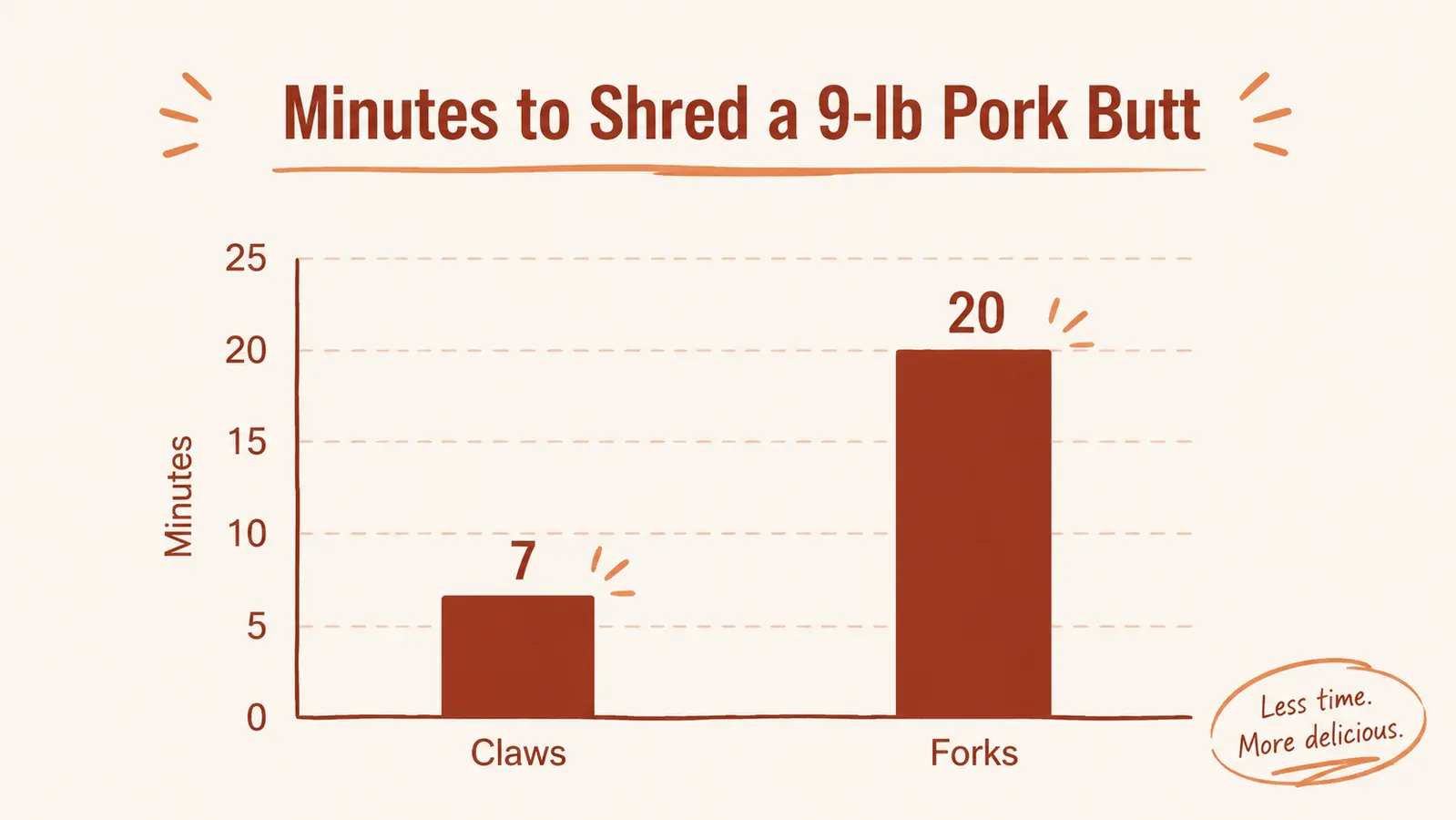
What Nobody Tells You About Either Method
Here's the part that surprised me the first time I used the claws at a bigger event. Because they let you work faster while the meat is still hot, the pork actually pulls apart easier than if you wait for it to cool down and try shredding with forks. Pork butt that's dropped much below 170 degrees gets stiffer and the connective tissue firms back up, so you end up fighting it either way. Speed isn't just about saving your hands, it's about working the meat while it wants to come apart.
The other thing nobody mentions is storage. The claws hook together and hang on a nail in my garage next to the tongs, so they've never once been the thing I couldn't find at 2pm on a Saturday with people already showing up. Forks obviously live in your regular flatware drawer, which sounds convenient until you realize you've handed a guest their dinner fork straight out of the pulled pork pan and now you're short one fork at the table.
And nobody warns you that forks bend. I've snapped the tine clean off a cheap dinner fork twisting it into a pork butt that still had a little more cook time left than I thought. That's a piece of metal now missing somewhere in forty pounds of meat you're serving to people you love, and that's not a fun thing to explain at a potluck. The claws are built from thick plastic that flexes instead of snapping, and I've never lost a piece of one in a pan of meat.
Why I Stick With This Specific Pair
I didn't start with the Bear Paws brand. My first set of claws was a cheaper look-alike pair a cousin picked up at a discount store, and the tines splayed apart the very first time I tried to muscle through a cold spot in a brisket flat. That's the kind of failure that puts people off the whole idea of claws and sends them right back to forks, which is a shame because the tool itself works when it's built right. The Bear Paws pair has held its shape through probably two hundred cooks at this point, no splaying, no cracking at the base.
It's also why I don't hesitate to recommend a specific product instead of just saying 'get some claws.' Not every pair on the shelf is made the same, and the ones with thin, flexible tines will do exactly what my cousin's did, bend out of shape on the first tough spot and leave you feeling like the whole method was a waste. With over 30,000 reviews behind this particular pair, I trust it's not just my kitchen where that holds up.
Who Should Buy Which
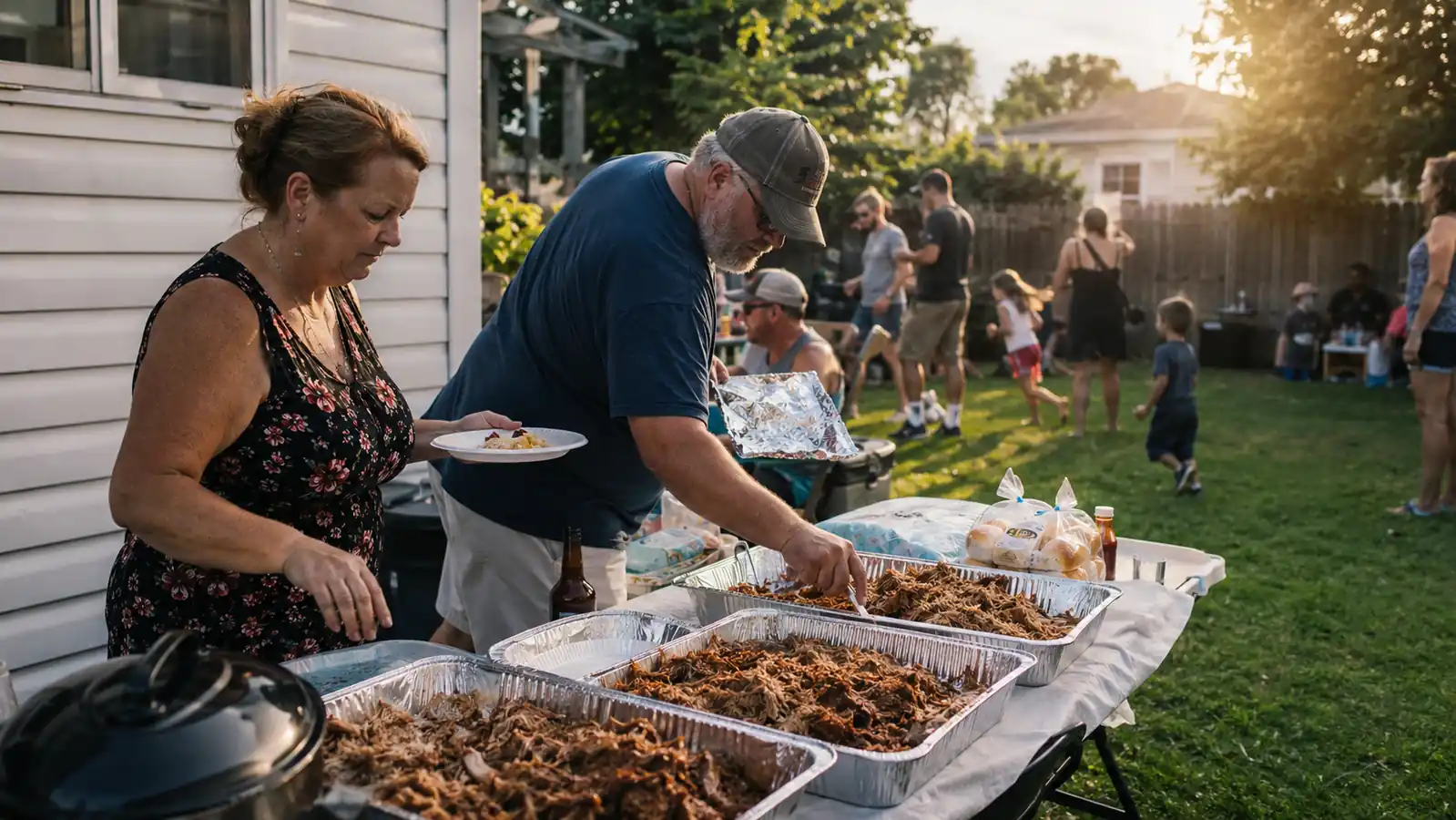
If you're cooking for a crowd on any kind of regular basis, church potlucks, family reunions, Sunday dinners that always end up feeding more people than you planned for, the claws are worth the small investment. Miss Carolyn over at First Baptist fellowship hall borrowed mine for a men's ministry cookout last spring and bought her own pair within the week. That's usually how it goes once somebody feels the difference on a real batch of meat.
If you're only ever shredding a chicken breast or two for weeknight tacos, or you cook one pork butt a year and don't want another gadget taking up drawer space, stick with your forks. There's no shame in that, and they'll do the job fine for small amounts. Just don't be surprised if you change your mind the first time you're standing over a nine-pound butt for a crowd with your wrist already sore from the last one.
My honest rule of thumb after twenty-five years of doing this both ways: under two pounds, forks are fine and I'd tell you to save your money. Over four pounds, or anytime you're cooking for more than about eight people, get the claws and thank yourself later. Somewhere in between, it comes down to how much your hands already ache by the time the meat hits the cutting board.
Ready to shred a whole butt in under ten minutes instead of twenty?
The Bear Paws claws are the one gadget in my kitchen that earned its spot back permanently after that Fourth of July shower. See today's price and reviews for yourself.
Amazon Check Today's Price on Amazon →