
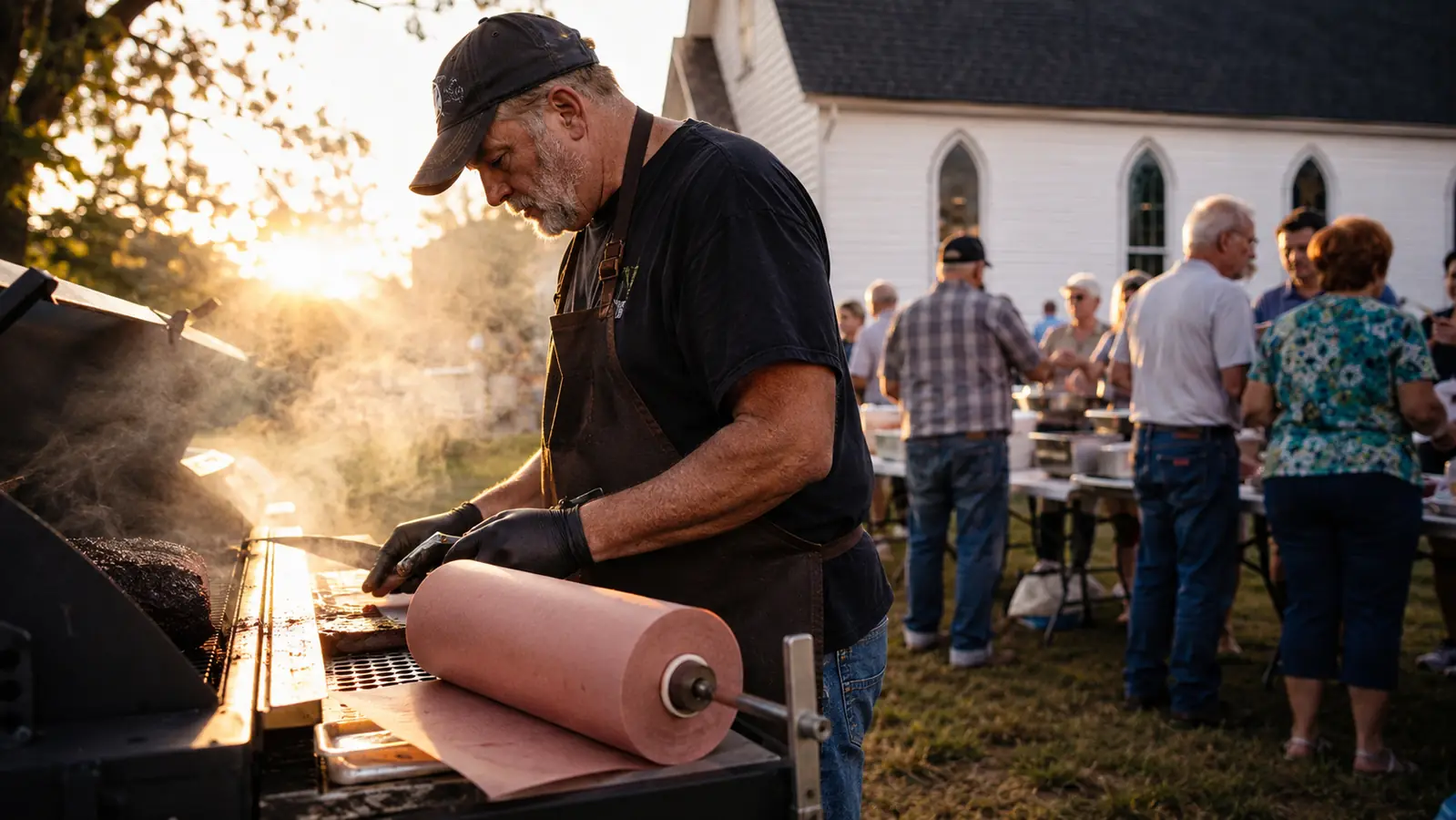
I bought my first roll of Bryco Goods pink butcher paper back in May, right before my nephew's graduation cookout, because I'd run out of the stuff I usually beg off my butcher and didn't want to show up to a 14-pound packer with nothing to wrap it in. That roll is nearly gone now. It's October, brisket season is winding down, and I've wrapped somewhere north of twenty briskets, a dozen pork butts, and one very ambitious prime rib with this paper since then. That's enough runs through the same product to tell you where it earns its keep and where it doesn't.
This isn't a first-impressions review. I'm writing this after the roll got dragged out to three different family reunions, left in a hot truck bed more than once, and used in weather that ranged from a sticky 95 degrees in July to a damp 58 the last weekend of September.
The Quick Verdict
A genuinely better wrap than foil for brisket bark, and durable enough to survive a full season of regular use, though it's not magic and you still have to run your smoker right.
Amazon Check Today's Price →Tired of soggy bark ruining a brisket you smoked for 12 hours?
Pink butcher paper lets the brisket breathe through the stall instead of steaming it soft like foil does. Grab a roll before your next cook and see the difference on the bark yourself.
Amazon Check Today's Price on Amazon →How I've Used It All Season
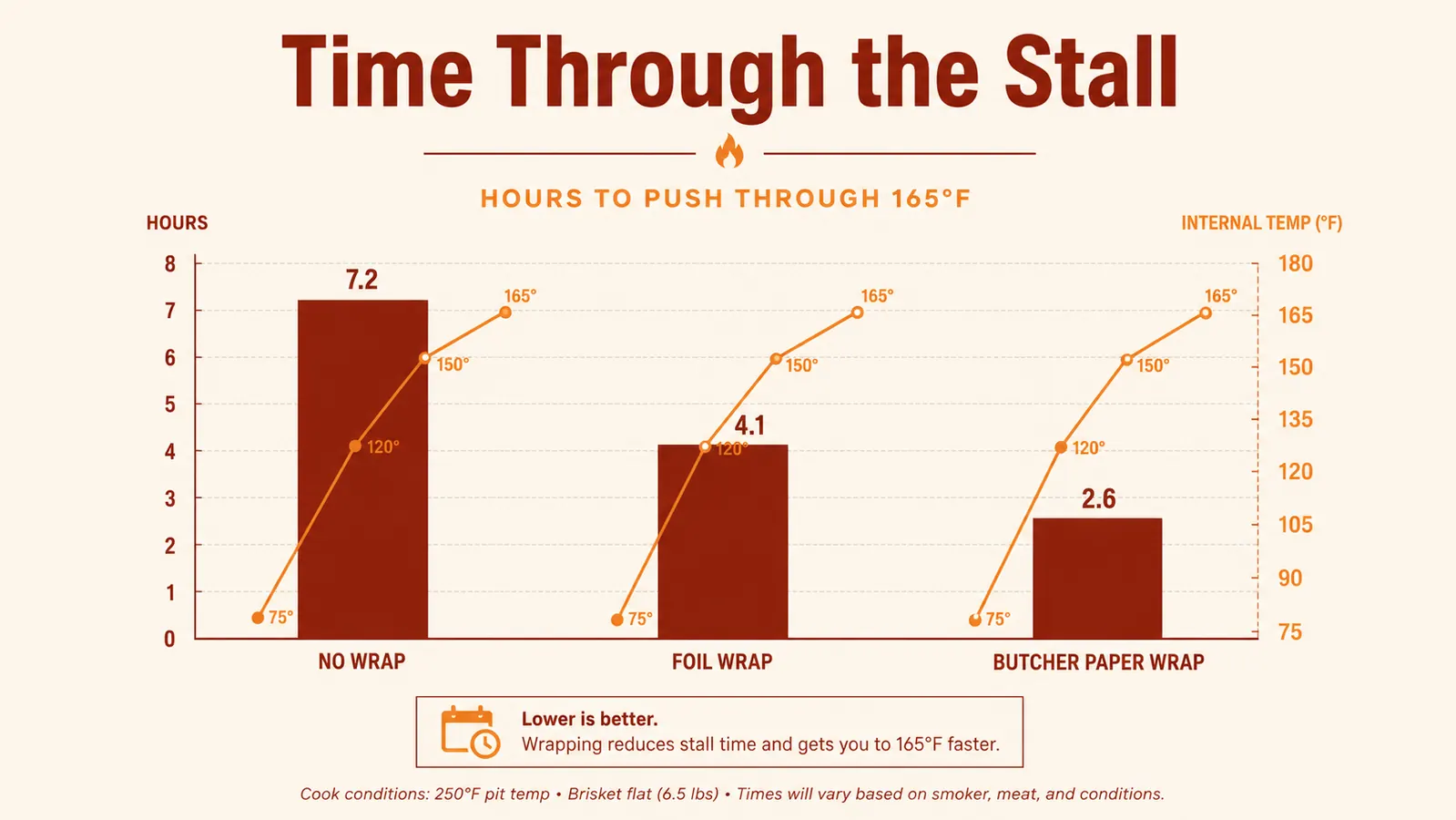
My setup is an Oklahoma Joe's offset that I've had for six years, and my routine hasn't changed much: brisket goes on around 1 or 2 in the morning if I'm serving at 1pm, dry-rubbed the night before with just salt, pepper, and a little garlic powder, no mustard slather, no injection. I run it at 250 to 265 depending on how the wind's blowing that day. Where the paper comes in is the stall, that stretch between about 150 and 170 degrees internal where the brisket seems to stop cooking no matter how hot your fire is.
I used to fight through the stall unwrapped, which works but adds hours I don't always have when there's a noon deadline and hungry family standing around the smoker asking when it's ready. Foil got me through faster, but every time I unwrapped a foil-boat brisket the bark had gone soft and a little gray, like the meat had been steamed instead of smoked. That's the whole reason I switched over to butcher paper in the first place, and it's the reason I've stuck with this Bryco Goods roll specifically after trying a cheaper off-brand one two summers ago that tore on me mid-wrap.
The paper is food-grade, unwaxed, and it's peach-pink rather than the bright pink you sometimes see, which I've read has to do with the dye process but honestly I couldn't tell you the chemistry. What I can tell you is it holds up to grease and juice a lot better than the parchment paper I tried using in a pinch one time when I ran out mid-season. Parchment got translucent and started to give at the seams. This stuff didn't.
By midsummer I'd settled into a rhythm with it. I keep the Bryco Goods roll on a bracket I screwed into the side of my utility shed, right next to where I keep my instant-read thermometer and my box of nitrile gloves, so wrapping a brisket doesn't mean walking back and forth to the garage with greasy hands. Small thing, but when you're wrapping at 6am before the sun's even fully up, having everything in arm's reach matters more than you'd think.
What the Paper Actually Does to the Bark
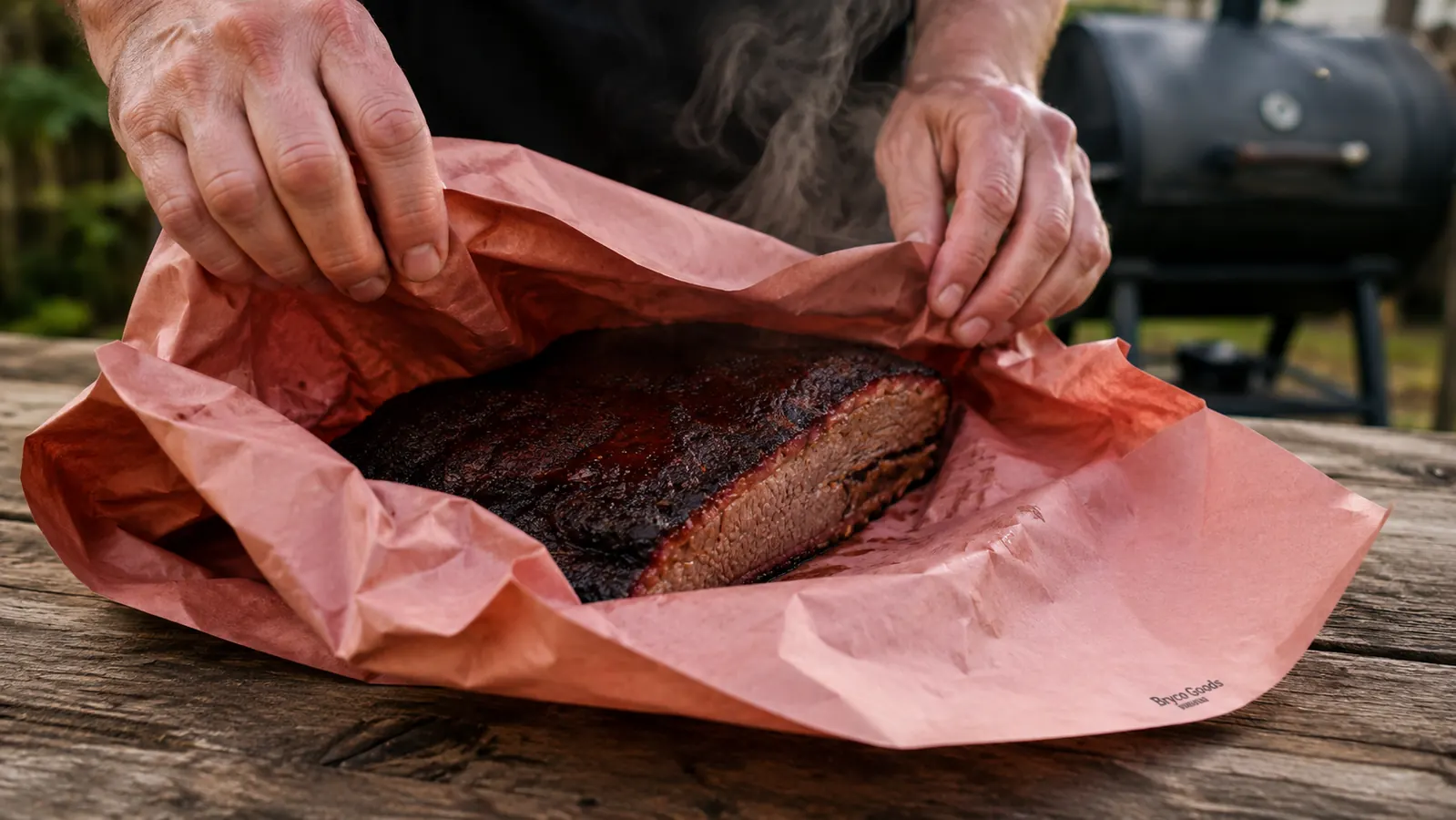
The whole selling point of butcher paper over foil is that it's breathable. Foil is basically waterproof, so once you wrap a brisket in it, all that rendered fat and moisture has nowhere to go, and the meat sits in its own liquid until you pull it. That gets you through the stall fast, but the bark pays for it. Butcher paper lets some of that moisture vent out through the fibers while still holding enough heat and humidity against the meat to push through the stall in a reasonable time.
On my last big cook, a 13.5-pound packer for my church's fall potluck, I wrapped at 165 internal, right on schedule, and pulled it off the smoker four hours later at 203. When I opened the paper, the bark was still dark, still had that peppery crust, and hadn't gone soft the way foil-wrapped bark does. It wasn't quite as crunchy as an unwrapped brisket bark, nothing beats that, but it was a clear step up from anything I've pulled out of foil.
One thing I'll add: the paper does pick up grease stains fast, and by the time you're done wrapping four or five briskets in a session your hands and the paper both look like you've been working on a car engine. That's not a defect, that's just what happens when hot fat meets paper, but if you're expecting it to stay looking pretty and pink through the whole cook, it won't.
I also noticed a difference in how the bark held up during the rest period after the cook. I wrap the paper-wrapped brisket in an old towel and drop it in a cooler for at least an hour before slicing, sometimes two if timing runs long. Briskets that came off foil and went into that same rest would come out with bark that had basically dissolved into mush by the time I sliced them. The paper-wrapped ones still had some texture left on the outside, even after a two-hour rest, which made a real difference at the table.
How the Roll Held Up Over Time
This is where a lot of reviews stop short, because most people only write about the first brisket they wrap. I've gone through most of a 175-foot roll now, and the paper quality has been consistent from the first sheet to somewhere around sheet forty. No thin spots, no weird tearing, no sheets that felt noticeably different in weight or texture. That matters more than people think, because I've had rolls of other kitchen paper products go from sturdy to flimsy about two-thirds of the way through, like the manufacturer changed suppliers mid-run.
I keep my roll in the garage, in the box it came in, not out in direct sun, and I think that's helped it stay in good shape. One roll I left in the bed of my truck for about a week in July, half-exposed to the weather, did get a little musty smelling on the outer layers, but once I unrolled past that it was fine underneath. That's on me for leaving it out there, not a mark against the paper.
At 18 inches wide, it's plenty for a full packer brisket if you fold it right, though for anything bigger than about 14 pounds I sometimes use two overlapping sheets to make sure I've got enough coverage on the ends. That's a minor annoyance, not a dealbreaker, but if you're routinely smoking oversized competition-style briskets you'll burn through paper faster than the math on the roll length suggests.
I did a rough tally partway through the season out of curiosity. A typical packer brisket takes me about three to four feet of paper once you account for overlap on both ends. At that rate, one 175-foot roll gets you somewhere around 45 to 55 wraps before you're down to the cardboard tube, which lines up almost exactly with how far I've gotten by mid-October. If you're smoking weekly through a full season, plan on one roll lasting you most of the year, maybe needing a second toward the tail end if you're doing holiday cooks too.
Getting a Tight Wrap Without Tearing It
It took me a few tries early in the season to get my technique dialed in. The paper is tougher than parchment but it's not indestructible, and if you try to yank it too tight around a brisket with sharp bone edges sticking out, especially near the point, you can put a small tear in it. I learned to trim any protruding bone or fat cap edges before wrapping, and to fold the paper the way you'd wrap a gift box rather than trying to twist it like foil.
Two overlapping sheets laid in an X pattern, brisket placed fat-side down in the center, sides folded in first, then the ends folded up and tucked underneath, has been the most reliable method for me. Butcher's twine around the middle helps keep it from unraveling if you're moving it around a lot, though for most home cooks that's optional. I don't bother with twine unless I'm transporting the wrapped brisket somewhere before it finishes cooking, which happens sometimes when I'm smoking at my brother-in-law's place instead of at home.
Who Needs This Versus Who's Fine Without It
If you're the person in your family who ends up smoking the brisket for every reunion, every graduation party, every Sunday after church, this pays for itself fast just in how much less foil you buy over a season. I used to go through two or three rolls of heavy-duty foil a summer for wrapping alone. One roll of this Bryco Goods paper has outlasted that easily, and I still have some left.
If you only smoke a brisket once or twice a year, you can honestly get by with a roll of unwaxed peach paper from your local butcher counter, if they'll sell you a length of it, which some will for a few bucks. The advantage of buying a dedicated roll like this one is that you always have it on hand and don't have to plan a butcher-counter trip around your cook schedule. For me, with a smoker that runs most weekends from April through October, having a full roll in the garage has been worth not thinking about it.
What I Liked
- Bark stays firmer and darker than anything wrapped in foil
- Held up consistently from the first sheet to the last across a full season
- 18 inch width covers most packer briskets with a clean fold
- Unwaxed and food-grade, no weird smell or residue on the meat
- One roll lasted an entire brisket season with regular weekend use
Where It Falls Short
- Grease soaks through fast, so it's not something you want to reuse or fold neatly back up
- Oversized briskets over about 14 pounds need two overlapping sheets
- Doesn't push through the stall quite as fast as foil, so plan for a bit more time
- Storing it somewhere dry and out of direct weather matters more than I expected
The bark was still dark, still had that peppery crust, and hadn't gone soft the way foil-wrapped bark does.
Who This Is For
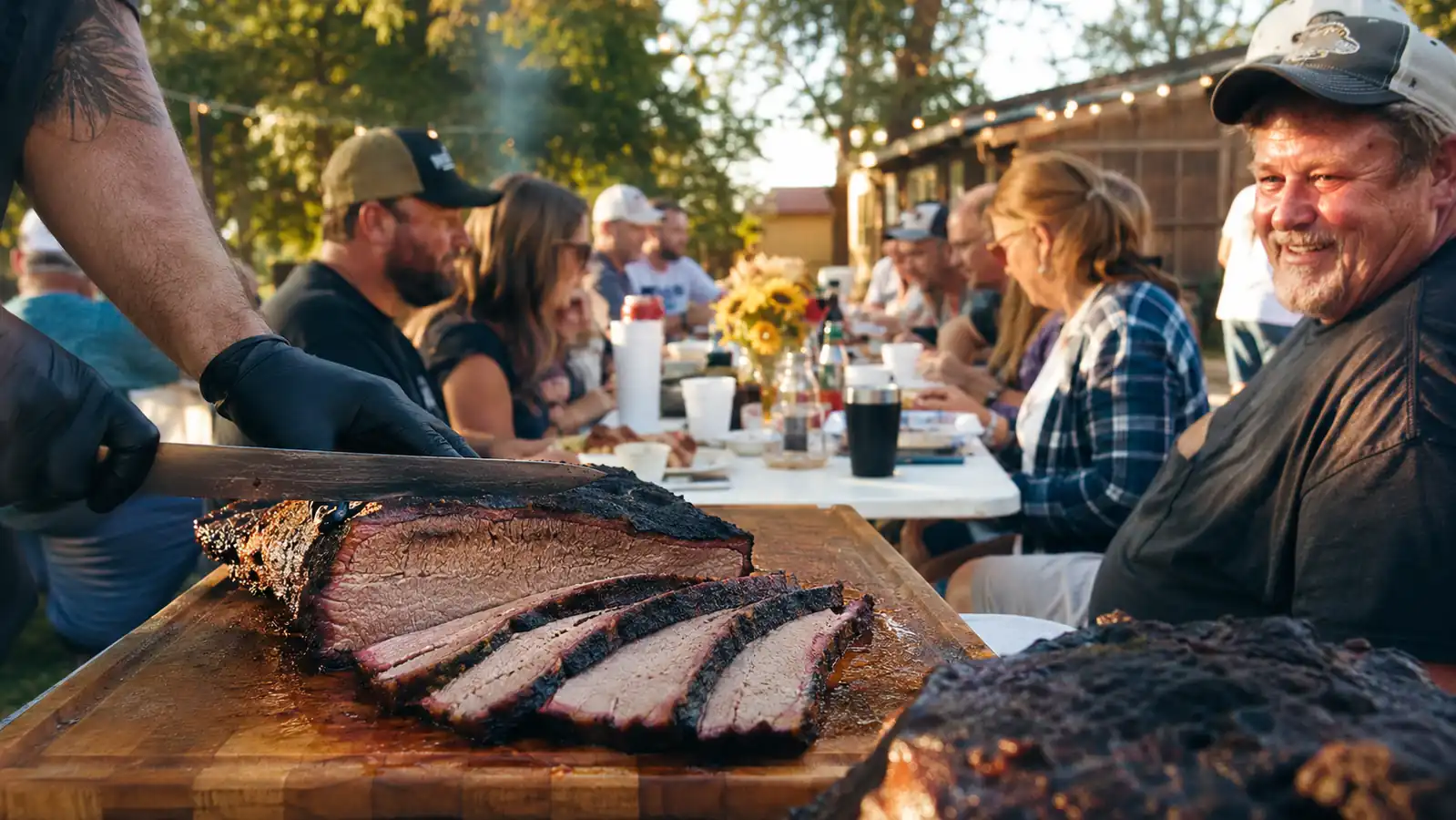
This is for the backyard pitmaster who smokes regularly enough that buying a whole roll makes sense, and who's already noticed foil steaming their bark soft and wants something better. If you care about that bark staying dark and a little crusty after four hours wrapped, and you're willing to give up a small amount of speed through the stall to get it, this is the product for that. It's also a good fit if you're tired of buying foil every month and would rather stock one roll that lasts most of a season.
Who Should Skip It
If you're smoking one brisket a year for the Fourth of July and that's about it, a store-bought length of paper from your butcher counter will do the same job for less money and less waste sitting in your garage. And if you're someone who wraps mainly to shave the maximum time off a cook, foil still gets you through the stall a little quicker, even if it costs you some bark quality. This paper is a trade, not a free upgrade, and it's worth knowing that going in.
If your bark's been coming out soggy every time you wrap, that's the foil talking.
One roll of pink butcher paper got me through an entire brisket season without a single soft, gray wrap. See today's price and grab a roll before your next cook.
Amazon Check Today's Price on Amazon →